
Your skin barrier is the unsung hero of healthy skin, yet most people don’t think about it until something goes wrong. This protective outer layer shields you from environmental stressors, locks in moisture, and keeps irritants out. When it’s compromised, even the gentlest products can sting, your skin feels perpetually dry no matter how much moisturizer you apply, and breakouts seem to appear out of nowhere.
The good news? A damaged skin barrier can be repaired with the right approach. This guide helps you recognize the warning signs of barrier damage and provides a step-by-step recovery plan to restore your skin’s natural defense system quickly and effectively.
What Is Your Skin Barrier and Why Does It Matter?
Your skin barrier, scientifically called the stratum corneum, is the outermost layer of your epidermis. Think of it as a brick wall where skin cells are the “bricks” and lipids (ceramides, cholesterol, and fatty acids) are the “mortar” holding everything together.
A healthy skin barrier:
- Prevents transepidermal water loss (TEWL) to keep skin hydrated
- Blocks pathogens, irritants, and allergens from penetrating
- Maintains optimal pH balance around 4.5-5.5
- Supports beneficial skin microbiome
- Protects against environmental damage
When this barrier is compromised, your skin can’t function properly. Water escapes more easily, causing dehydration. Irritants penetrate more deeply, triggering inflammation and sensitivity. Your skin becomes vulnerable to infections, and even your favorite products suddenly cause reactions.
Understanding your skin barrier’s importance is the first step toward protecting and repairing it.
5 Clear Signs Your Skin Barrier Is Damaged
1. Persistent Dryness and Dehydration
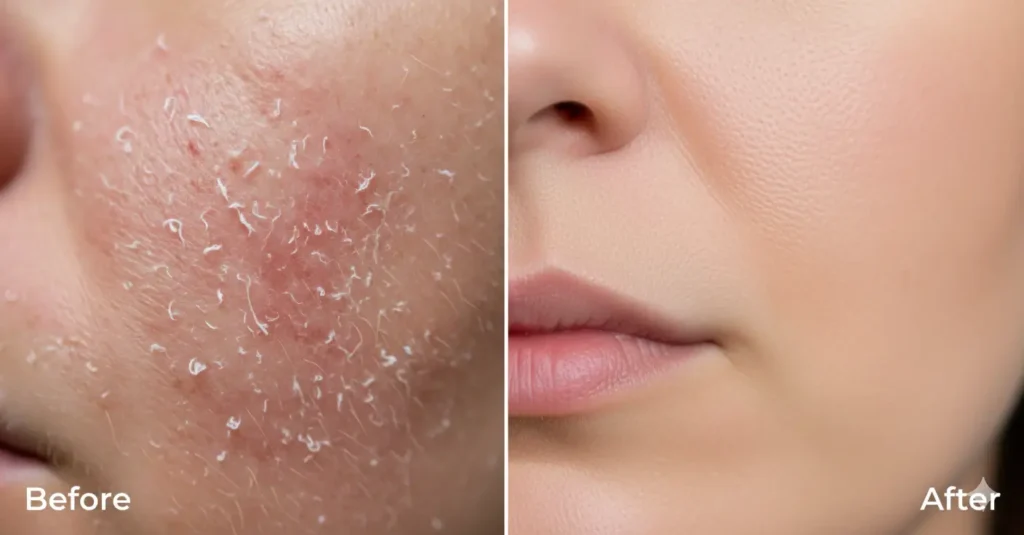
Your skin feels tight and uncomfortable even after applying moisturizer. You notice flaking, rough patches, or a dull, lackluster appearance. No matter how many hydrating products you layer, your skin still feels parched within hours.
This happens because a compromised barrier can’t retain moisture effectively. Water evaporates through the damaged “mortar” between skin cells, leading to chronic dehydration despite your best efforts.
2. Increased Sensitivity and Reactivity
Products that never bothered you before suddenly cause stinging, burning, or redness. Your skin reacts to temperature changes, wind, or even water. You notice tingling sensations when applying skincare products, especially those with active ingredients.
When your barrier is damaged, irritants penetrate more easily, triggering inflammatory responses. Your skin’s tolerance threshold drops significantly, making it reactive to previously benign substances.
3. Redness and Inflammation
Persistent redness, especially around the cheeks, nose, or forehead, indicates barrier dysfunction. You might see visible capillaries, experience flushing easily, or notice your skin looks perpetually irritated without an obvious cause.
Without its protective barrier, your skin exists in a constant state of low-grade inflammation as it struggles to defend against environmental aggressors.
4. Increased Breakouts and Congestion
Paradoxically, a damaged barrier can trigger both dryness and acne. When your barrier is compromised, bacteria penetrate more easily, and inflammation increases sebum production. You might experience clogged pores, persistent breakouts, or cystic acne that won’t respond to typical treatments.
Many people make this worse by using harsh acne treatments that further damage the barrier, creating a vicious cycle.
5. Itchiness and Discomfort
Your skin feels itchy, tight, or generally uncomfortable throughout the day. This itchiness often worsens after cleansing or in dry environments. You find yourself touching or scratching your face frequently, which further damages the barrier.
Nerve endings become more exposed and reactive when the barrier is compromised, leading to these uncomfortable sensations.
What Causes Skin Barrier Damage?
Understanding the causes helps you avoid future damage while repairing current issues:
Over-Exfoliation
This is the number one cause of barrier damage. Using too many chemical exfoliants (AHAs, BHAs) or physical scrubs strips away the protective outer layer faster than your skin can regenerate it. Even “gentle” exfoliants cause damage when overused.
Harsh Cleansers
Sulfate-based foaming cleansers, especially when used twice daily, strip your skin’s natural oils and disrupt pH balance. That squeaky-clean feeling actually signals barrier damage.
Environmental Aggressors
Extreme temperatures, low humidity, wind, air pollution, and UV exposure all compromise barrier function. Indoor heating and air conditioning also contribute by reducing environmental moisture.
Inappropriate Products
Using products formulated for different skin types, high concentrations of actives without proper preparation, or too many active ingredients simultaneously overwhelms your barrier’s capacity to adapt.
Medical Conditions
Eczema, psoriasis, rosacea, and seborrheic dermatitis inherently involve barrier dysfunction. These conditions require specialized treatment beyond basic skincare.
The Skin Barrier Repair Protocol
Recovery typically takes 2-6 weeks depending on damage severity. This protocol focuses on three goals: stop further damage, support natural repair, and strengthen the barrier long-term.
Immediate Actions (Days 1-3)
Step 1: Strip Your Routine to Basics
Remove all active ingredients from your routine immediately. This means eliminating:
- Retinoids and retinol
- Vitamin C serums
- Chemical exfoliants (AHAs, BHAs, PHAs)
- Physical scrubs
- Toners with alcohol or astringent ingredients
- Fragranced products
Keep only: gentle cleanser, simple moisturizer, and sunscreen. Your skin needs a break to begin healing.
Step 2: Switch to Gentle Cleansing
Replace any foaming or gel cleanser with a cream, milk, or oil-based gentle cleanser. Look for:
- pH-balanced formulas (4.5-5.5)
- No sulfates (avoid sodium lauryl sulfate)
- Minimal ingredient lists
- Fragrance-free formulations
Cleanse only once daily in the evening. In the morning, rinse with water only or use micellar water if needed.
Step 3: Apply Barrier-Repair Moisturizer
Choose a moisturizer specifically formulated to repair barrier function with these key ingredients:
Ceramides (Essential): These lipids are natural components of your skin barrier. Topical ceramides (especially ceramide 1, 3, and 6) help restore the mortar between skin cells.
Cholesterol and Fatty Acids: These work synergistically with ceramides in a 1:1:1 ratio (ceramides:cholesterol:fatty acids) to rebuild barrier lipids optimally.
Niacinamide (2-5%): Boosts natural ceramide production, reduces inflammation, and strengthens barrier function without irritation.
Centella Asiatica: Soothes inflammation and supports skin repair processes.
Apply moisturizer to damp skin immediately after cleansing to seal in hydration. Use generous amounts—don’t skimp during the recovery phase.

Recovery Phase (Days 4-14)
Layer Hydration Strategically
Once initial inflammation calms, introduce layering for deeper hydration:
Essence or Hydrating Toner: Apply immediately after cleansing. Look for hyaluronic acid, beta-glucan, or glycerin to draw moisture into skin.
Hydrating Serum: Use serums with humectants (hyaluronic acid, glycerin) and barrier-supporting ingredients (niacinamide, panthenol).
Barrier Repair Moisturizer: Your ceramide-rich moisturizer remains essential.
Occlusive Layer (Optional): For severely damaged barriers, seal everything with a thin layer of petroleum jelly, squalane oil, or a balm containing shea butter. This prevents transepidermal water loss overnight.
Protect with Mineral Sunscreen
Damaged skin is more vulnerable to UV damage. Use mineral (physical) sunscreens with zinc oxide or titanium dioxide—they’re less likely to irritate than chemical sunscreens. SPF 30 minimum, applied generously every morning.
Support Internal Healing
While your skin repairs externally, support it internally:
- Drink adequate water (8 glasses daily)
- Take omega-3 supplements or eat fatty fish
- Consume antioxidant-rich foods
- Get sufficient sleep (7-9 hours)
- Manage stress through relaxation techniques
Maintenance Phase (Weeks 3-6)
Gradually Reintroduce Products
Once your skin feels comfortable, shows reduced redness, and no longer stings with product application, you can slowly reintroduce other products:
Week 3: Add one gentle product (like a mild vitamin C derivative or light exfoliant) 1-2 times per week. Monitor for reactions.
Week 4: If no sensitivity occurs, increase frequency slightly or add another mild active ingredient on different nights.
Week 5-6: Resume your normal routine gradually, but maintain barrier-supporting base products (gentle cleanser, ceramide moisturizer).
Important: Never return to the habits that damaged your barrier initially. Learn from this experience and prioritize barrier health going forward.
Best Ingredients for Barrier Repair
Must-Have Ingredients:
Ceramides (Ceramide NP, AP, EOP): The gold standard for barrier repair. Look for products with multiple ceramide types.
Niacinamide (2-5%): Increases natural ceramide synthesis and strengthens barrier function over time.
Cholesterol: Works with ceramides to restore lipid balance in optimal ratios.
Fatty Acids (Linoleic, Linolenic): Essential for maintaining barrier integrity and flexibility.
Helpful Supporting Ingredients:
Hyaluronic Acid: Holds up to 1000x its weight in water, providing deep hydration without irritation.
Glycerin: A humectant that draws moisture into skin while supporting barrier function.
Centella Asiatica (Cica): Calms inflammation and accelerates wound healing.
Panthenol (Provitamin B5): Deeply moisturizing and anti-inflammatory.
Colloidal Oatmeal: Soothes irritation and forms protective film on skin surface.
What to Avoid During Recovery
Absolutely Avoid:
- Any exfoliation (chemical or physical)
- Retinoids or retinol products
- High-concentration vitamin C (over 10%)
- Fragranced products and essential oils
- Alcohol-based toners
- Hot water on your face
- Long, steamy showers
- Harsh or frequent face washing
- Picking or touching your face
Use Caution With:
- New products of any kind
- Makeup (use mineral-based only if necessary)
- Face masks (especially clay or peel-off types)
- Environmental extremes (very hot or cold)
Preventing Future Barrier Damage
Once you’ve restored your barrier, maintain it with these habits:
Practice Gentle Exfoliation: Limit chemical exfoliants to 2-3 times weekly maximum. Never use multiple exfoliants in one day.
Choose pH-Balanced Cleansers: Your cleanser should match skin’s natural pH (4.5-5.5) to avoid disruption.
Layer Products Correctly: Apply products from thinnest to thickest consistency, allowing absorption time between steps.
Always Use Sunscreen: UV damage is cumulative and degrades barrier function over time.
Monitor Product Reactions: If something stings or causes redness, stop using it immediately.
Adjust for Climate: Use richer moisturizers in dry or cold weather, lighter formulas in humid conditions.
When to See a Dermatologist
Consult a professional if you experience:
- No improvement after 4 weeks of barrier-repair protocol
- Severe pain, oozing, or crusting (signs of infection)
- Suspected underlying conditions (eczema, rosacea)
- Persistent symptoms despite proper care
- Rapid worsening of symptoms
Chronic barrier dysfunction may indicate an underlying skin condition requiring medical treatment beyond skincare.
Conclusion: Your Barrier Deserves Better
Your skin barrier works tirelessly to protect you, often suffering silently until damage becomes severe. Recognizing the signs of barrier compromise early and taking immediate action prevents long-term consequences and chronic skin issues.
Remember that barrier repair takes time—typically 2-6 weeks. Be patient with your skin, resist the temptation to add back active ingredients too quickly, and prioritize gentle, supportive products. Your skin barrier can recover fully with proper care, emerging stronger and more resilient than before.
Treat your skin barrier with the respect it deserves. It’s not just the foundation of healthy skin—it’s your body’s first line of defense against the world.
Frequently Asked Questions
How long does it take to repair a damaged skin barrier?
Most people see significant improvement within 2-3 weeks of following a proper repair protocol, with full recovery taking 4-6 weeks. Severity matters—mild damage from a one-time incident heals faster than chronic damage from months of harsh products. The key is consistency with barrier-supportive products and completely avoiding further damage during the healing period.
Can I wear makeup while repairing my skin barrier?
Minimize makeup use during the acute recovery phase (first 1-2 weeks). If you must wear makeup, choose mineral-based, fragrance-free formulations and apply sparingly. Always use gentle, non-foaming makeup removers and avoid rubbing or tugging skin. Consider this a temporary sacrifice for long-term skin health—your barrier will thank you.
Is petroleum jelly good for barrier repair?
Yes, when used correctly. Petroleum jelly is an excellent occlusive that prevents water loss overnight by sealing in your hydrating and repair products. Apply it as the final step over your moisturizer on damp skin. It doesn’t hydrate or repair on its own, but it creates an optimal environment for your skin to heal itself by preventing moisture evaporation.
Why did my barrier damage happen suddenly when I didn’t change my routine?
Barrier damage often accumulates gradually before symptoms appear suddenly. Small daily stressors compound over time until your barrier can’t compensate anymore. Environmental changes (season shifts, travel), stress, hormonal fluctuations, or starting a new medication can all push a weakened barrier over the edge. Sometimes what seems sudden has actually been building for weeks or months.
Can I use retinol if I have a sensitive barrier?
Not during active barrier repair—retinol must wait until your skin is fully healed. Once recovered, you can carefully reintroduce retinol by starting with the lowest concentration (0.25%) once or twice weekly, buffering over moisturizer, and slowly building tolerance over months. Some people with naturally sensitive barriers do better with retinol alternatives like bakuchiol or focusing on other anti-aging ingredients instead.