
Dealing with acne feels overwhelming when you’ve tried product after product with little success. The truth is, clearing acne isn’t about finding one miracle product—it’s about building a consistent routine with proven ingredients that work together. While severe acne requires professional treatment, most mild to moderate breakouts respond well to a targeted skincare approach.
This guide outlines a realistic, dermatologist-backed routine that addresses acne at its root causes while supporting your skin’s natural healing process. No exaggerated promises or overnight fixes—just science-based advice that delivers results within 8 weeks if you stay consistent.
Understanding Acne: Why It Happens
Before jumping into products, understanding what causes acne helps you make smarter treatment choices. Acne develops when four factors combine:
Excess Oil Production: Your sebaceous glands produce too much sebum, creating an oily environment where acne thrives.
Clogged Pores: Dead skin cells don’t shed properly and mix with sebum to block hair follicles.
Bacteria: P. acnes bacteria multiply in blocked pores, triggering inflammation.
Inflammation: Your immune system responds to bacteria, causing redness, swelling, and sometimes painful cysts.
Different types of acne require slightly different approaches. Blackheads and whiteheads (comedonal acne) respond well to exfoliation and pore-clearing ingredients. Inflammatory acne with red, swollen bumps needs both antimicrobial and anti-inflammatory ingredients. Cystic acne—deep, painful lumps under the skin—often requires professional intervention.
The Complete Acne-Fighting Routine
Your acne routine should target all four causes while maintaining your skin barrier. Overly harsh treatments that strip your skin actually worsen acne by triggering more oil production and inflammation.
Morning Routine for Acne-Prone Skin
Step 1: Gentle Cleansing
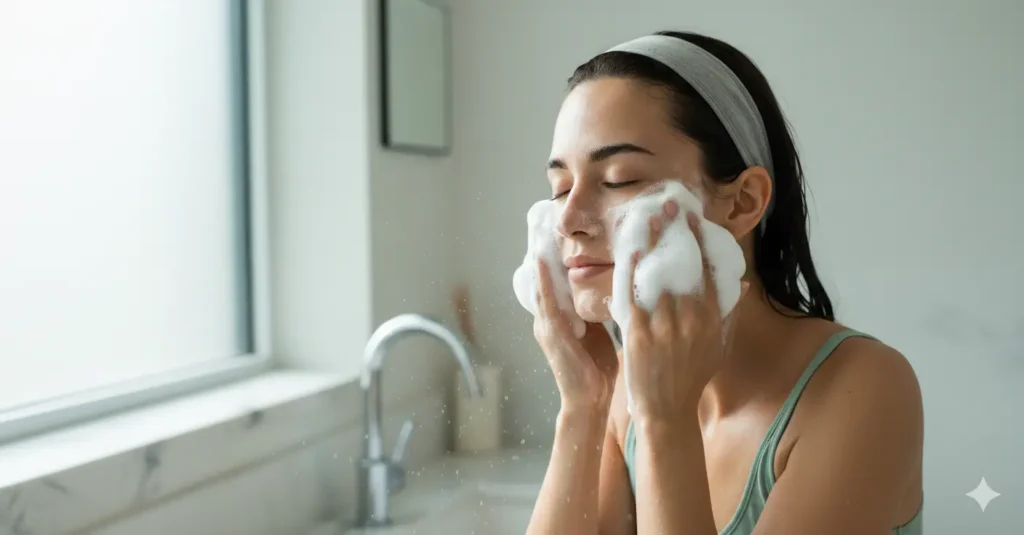
Start your day with a gentle, pH-balanced cleanser that removes overnight oil without stripping your skin. Contrary to popular belief, harsh cleansers don’t improve acne—they damage your barrier and increase sensitivity.
Look for cleansers containing:
- Salicylic acid (0.5-2%) for gentle exfoliation
- Benzoyl peroxide (2.5%) for antibacterial action
- Tea tree oil for natural antimicrobial benefits
Use lukewarm water and massage gently for 60 seconds. Pat dry with a clean towel—never rub, which can spread bacteria and irritate active breakouts.
Pro Tip: Change your pillowcase every 2-3 days. Bacteria and oil accumulate on fabric and transfer back to your face nightly.
Step 2: Balancing Toner
Acne-prone skin benefits from toners that remove residual oil and prep skin for treatment products. Skip alcohol-based toners that dry out your skin—look for these ingredients instead:
- Witch hazel (alcohol-free versions) for pore tightening
- Niacinamide (5-10%) to regulate oil production
- Green tea extract for antioxidant and anti-inflammatory benefits
Apply toner with clean hands or a fresh cotton pad. Wait 30 seconds before moving to the next step.
Step 3: Treatment Serum
This is where you target acne directly. Choose one primary active ingredient based on your acne type:
For Blackheads and Whiteheads:
Salicylic acid serum (2%) penetrates pores to dissolve buildup and prevent new clogs. It’s oil-soluble, making it perfect for clearing sebum-filled pores.
For Inflammatory Acne:
Benzoyl peroxide (2.5-5%) kills acne bacteria and reduces inflammation. Start with lower concentrations to minimize irritation.
For Sensitive Acne-Prone Skin:
Azelaic acid (10-20%) fights bacteria and reduces inflammation with less irritation than other actives. It also helps fade post-acne marks.
Apply your treatment serum only to acne-prone areas—not your entire face unless you’re prone to breakouts everywhere. Wait 60 seconds for absorption.
Important Note: Never combine benzoyl peroxide with vitamin C or retinol in the same routine, as these combinations reduce effectiveness and increase irritation.
Step 4: Lightweight Moisturizer
Even oily, acne-prone skin needs moisturizer. Skipping this step triggers your skin to produce more oil, worsening breakouts. Choose an oil-free, non-comedogenic formula with these beneficial ingredients:
- Hyaluronic acid for lightweight hydration
- Ceramides to repair and strengthen skin barrier
- Niacinamide for oil control and pore minimization
Use a pea-sized amount and focus on dry areas. If your T-zone is very oily, you can use less product there while moisturizing your cheeks normally.
Step 5: Oil-Free Sunscreen
Sun protection is non-negotiable, especially when using acne treatments that increase photosensitivity. Many acne medications make your skin more vulnerable to UV damage, and sun exposure worsens post-acne marks.
Choose sunscreens labeled:
- Non-comedogenic (won’t clog pores)
- Oil-free or mattifying
- Broad-spectrum SPF 30 minimum
- Mineral-based if you have sensitive skin
Apply generously and reapply every 2 hours if outdoors. Modern acne-friendly sunscreens no longer feel heavy or greasy.
Evening Routine for Acne-Prone Skin
Step 1: Double Cleanse (If Wearing Makeup/Sunscreen)
Start with an oil-based cleanser or micellar water to remove makeup and sunscreen. Follow with your regular cleanser to remove remaining impurities. This two-step process ensures thorough cleansing without harsh scrubbing.
Step 2: Same Toner as Morning
Consistency matters. Use the same balancing toner to prep your skin for nighttime treatments.
Step 3: Targeted Treatment
Evening is ideal for stronger acne treatments. Alternate between these options throughout the week:
Retinoids (3-4 nights per week):
Adapalene (Differin) or prescription tretinoin increases cell turnover, preventing clogged pores and improving skin texture. Start with pea-sized amount 2-3 nights weekly, gradually increasing as your skin adjusts.
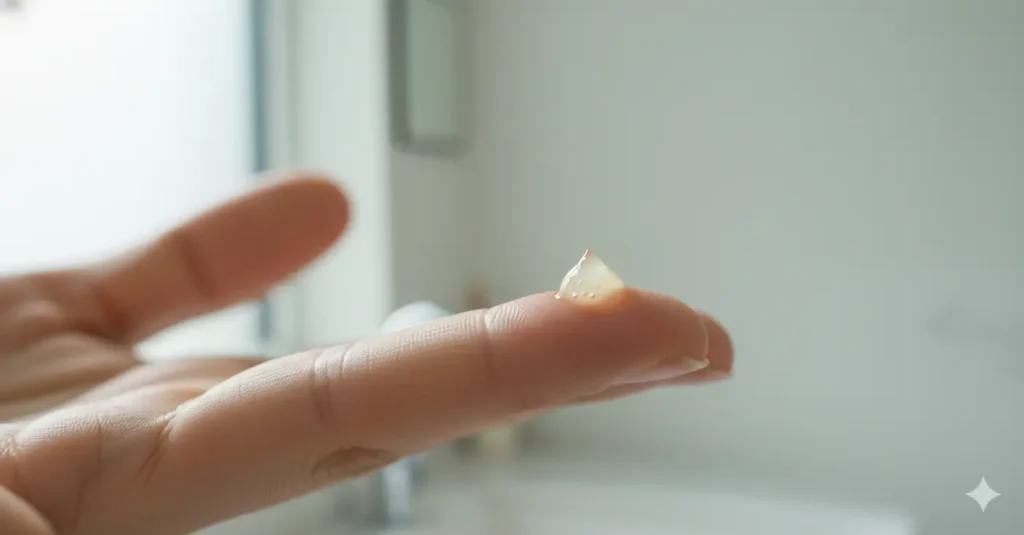
Benzoyl Peroxide or Salicylic Acid (alternate nights):
On nights you’re not using retinoids, apply your morning treatment serum for consistent acne-fighting action.
Recovery Night (1-2 nights weekly):
Give your skin a break with just cleanser, toner, and moisturizer. This prevents over-treatment and maintains skin barrier health.
Step 4: Spot Treatment for Active Breakouts
After your treatment step, apply spot treatment directly to active pimples:
- Benzoyl peroxide 5-10% for immediate bacterial control
- Salicylic acid 2% for deep pore clearing
- Sulfur-based treatments for sensitive skin
Dot product only on the blemish itself, not surrounding skin. Less is more with spot treatments—overuse causes irritation without faster results.
Step 5: Richer Night Moisturizer
Your evening moisturizer can be slightly richer than your daytime version, especially if using drying treatments like benzoyl peroxide or retinoids. Look for:
- Ceramides and fatty acids for barrier repair
- Peptides for skin regeneration
- Centella asiatica for soothing inflammation
Apply to entire face, including areas with active breakouts. Moisturizer helps treatments work better by supporting skin health.
The 8-Week Timeline: What to Expect
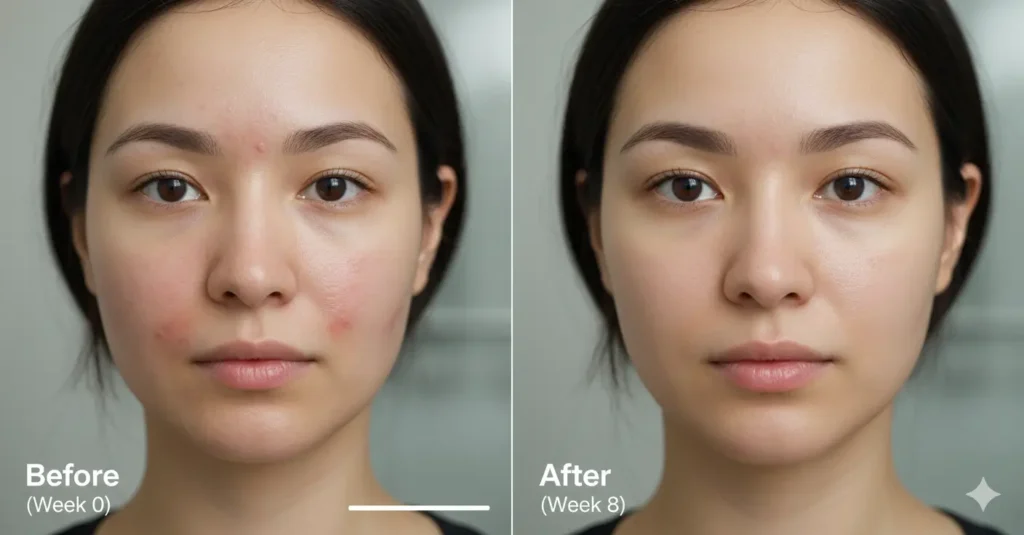
Setting realistic expectations prevents frustration and premature product-switching. Here’s the typical progression:
Weeks 1-2: The Purge Phase
Your skin may temporarily worsen as deeper clogs surface. This “purging” is normal when using exfoliating ingredients like salicylic acid or retinoids. New breakouts should occur only in areas where you typically get acne.
If breakouts appear in new areas or persist beyond 6 weeks, you’re experiencing irritation, not purging. Scale back treatment frequency.
Weeks 3-4: Stabilization
New breakouts decrease in frequency and severity. Existing blemishes begin healing faster. Your skin may still look imperfect, but you’ll notice subtle improvements.
Weeks 5-6: Visible Progress
Breakouts become less frequent and heal more quickly. Skin texture smooths as cell turnover improves. Post-acne marks begin fading. This is when most people start feeling encouraged.
Weeks 7-8: Clear Improvement
Significant reduction in active acne. Existing marks continue fading. Skin looks clearer, smoother, and healthier overall. Occasional breakouts may still occur, especially around hormonal fluctuations.
Lifestyle Factors That Support Clear Skin
Skincare products work best when supported by healthy habits:
Diet Considerations:
While diet doesn’t cause acne for everyone, certain foods may trigger breakouts in sensitive individuals:
- High-glycemic foods (white bread, sugar) spike insulin and increase oil production
- Dairy products may worsen acne for some people due to hormones
- Omega-3 fatty acids from fish support skin health and reduce inflammation
Keep a food diary if you suspect dietary triggers. Elimination diets should be supervised by healthcare professionals.
Stress Management:
Stress increases cortisol, which triggers oil production and inflammation. Practice stress-reduction techniques:
- Regular exercise (shower immediately after to prevent sweat-related breakouts)
- Adequate sleep (7-9 hours nightly for skin repair)
- Mindfulness or meditation practices
Hygiene Habits:
- Don’t touch your face throughout the day
- Clean your phone screen daily (it touches your face)
- Wash makeup brushes and beauty tools weekly
- Avoid picking or squeezing pimples, which causes scarring
Common Acne Treatment Mistakes to Avoid
Over-Exfoliating
Using multiple exfoliating products simultaneously damages your skin barrier and worsens acne. Choose one exfoliating treatment and use it consistently rather than layering multiple acids.
Skipping Moisturizer
Dry, stripped skin produces more oil to compensate, creating more breakouts. Always moisturize, even if you have oily skin.
Changing Products Too Quickly
Give new products at least 6-8 weeks before judging effectiveness. Constant product-switching prevents you from identifying what actually works.
Using Too Many Actives at Once
Start with one treatment ingredient and add others gradually. Using benzoyl peroxide, salicylic acid, and retinoids all at once causes severe irritation.
When to See a Dermatologist
Seek professional help if you experience:
- Painful cystic acne that doesn’t respond to over-the-counter treatments
- Acne causing scarring or significant emotional distress
- No improvement after 12 weeks of consistent treatment
- Severe inflammatory acne covering large areas
- Acne accompanied by other symptoms (excessive hair growth, irregular periods)
Dermatologists can prescribe stronger medications including oral antibiotics, hormonal treatments, or isotretinoin for severe cases. Professional treatments like chemical peels or laser therapy may also help.
Building Your Acne Routine: Product Checklist
Morning Essentials:
- Gentle cleanser with salicylic acid or benzoyl peroxide
- Balancing toner with niacinamide
- Treatment serum (salicylic acid or benzoyl peroxide)
- Oil-free moisturizer with ceramides
- Non-comedogenic SPF 30+ sunscreen
Evening Essentials:
- Same gentle cleanser
- Same balancing toner
- Retinoid treatment (3-4x weekly)
- Spot treatment for active breakouts
- Night moisturizer with barrier-repair ingredients
Optional But Helpful:
- Clay mask (1x weekly) for deep pore cleansing
- Hydrating sheet mask (1x weekly) for barrier support
- Chemical exfoliant (if not using retinoids)
Conclusion: Your Clear Skin Journey Starts Now
Clearing acne requires patience, consistency, and the right combination of ingredients that work with your skin, not against it. This 8-week routine provides a solid foundation, but remember that everyone’s skin is different. What works for your friend might not work for you, and that’s okay.
Start with the basics outlined here, give your skin time to respond, and make adjustments based on how your skin reacts. Track your progress with photos taken in the same lighting every two weeks—you’ll be amazed at the transformation when you look back at week one.
Clear skin is achievable with the right routine, realistic expectations, and commitment to consistency. Your journey may have setbacks, but each step forward brings you closer to the healthy, confident skin you deserve.
Frequently Asked Questions
How long does it really take to clear acne with skincare alone?
Most people see significant improvement in 8-12 weeks with consistent use of proven ingredients. However, completely clear skin may take 4-6 months, especially if you’re also fading post-acne marks. Severe or cystic acne typically requires prescription medications and may take longer. The key is patience—skincare isn’t a quick fix, but it works when given adequate time.
Can I use multiple acne treatments together for faster results?
Using too many active ingredients simultaneously causes irritation and damages your skin barrier, often worsening acne. Start with one treatment ingredient (salicylic acid, benzoyl peroxide, or retinoid), establish tolerance over 4-6 weeks, then gradually add others if needed. The “more is better” approach backfires with acne treatments.
Why is my acne getting worse after starting a new routine?
This “purging” phase is normal when using exfoliating ingredients or retinoids. These products accelerate cell turnover, bringing deeper clogs to the surface faster. Purging should only occur in areas where you typically break out and should improve within 4-6 weeks. If breakouts appear in new areas or worsen beyond 6 weeks, your skin is irritated—not purging.
Do I need different products for hormonal acne versus regular acne?
The basic acne routine works for both types, but hormonal acne often requires additional intervention. Over-the-counter products help manage symptoms, but persistent hormonal acne may benefit from prescription treatments like spironolactone or birth control. Track your breakout patterns—if they consistently worsen around your menstrual cycle, discuss hormonal treatment options with a dermatologist.
Should I stop using acne products once my skin clears?
No. Acne is a chronic condition that requires ongoing management. Once your skin clears, you can reduce treatment frequency (using retinoids 2-3x weekly instead of nightly, for example) but don’t stop completely. Maintenance prevents new breakouts from forming. Think of it like brushing your teeth—you don’t stop just because your teeth are clean.