
Your skin can feel dry even when you’re using a heavy moisturizer every day. You might have oily skin but still experience tightness and flaking. These confusing scenarios often stem from one crucial misunderstanding: not knowing the difference between hydration and moisture. While these terms are used interchangeably in everyday conversation, they represent two distinct skincare needs that require different solutions.
Understanding this difference transforms your skincare routine from guesswork into targeted treatment. Once you know whether your skin lacks water (hydration) or oil (moisture), you can choose the right products and finally achieve that plump, healthy, dewy complexion you’ve been chasing.
Hydration vs Moisture: The Critical Distinction
Hydration = Water Content
Hydration refers to the water content within your skin cells. When your skin is properly hydrated, cells are plump and full, creating a smooth, bouncy appearance. Hydrated skin looks dewy, feels supple, and shows fewer fine lines because water-filled cells literally plump out surface wrinkles.
Dehydrated skin lacks water, not oil. This is a temporary condition that can affect any skin type—yes, even oily skin can be dehydrated. When your skin is dehydrated, it looks dull, feels tight, and shows exaggerated fine lines and texture.
Moisture = Oil/Lipid Content
Moisture refers to the oil and lipid content that seals water into your skin and maintains the barrier function. Moisturizing products contain emollients and occlusives that create a protective layer, preventing water loss while softening and smoothing the skin surface.
Dry skin lacks oil production naturally. This is a permanent skin type characteristic. Dry skin often feels rough, shows visible flaking, and may develop cracks or sensitivity because the barrier isn’t adequately protecting deeper layers.
The Key Takeaway: Your skin needs both water (hydration) and oil (moisture) to be healthy. Most people need products that address both concerns, just in different ratios depending on their skin type.
How to Tell What Your Skin Actually Needs
Signs You Need More Hydration (Water):
- Skin feels tight even after applying moisturizer
- Fine dehydration lines appear, especially around eyes
- Dull, lackluster complexion despite using brightening products
- Makeup sits poorly on skin or emphasizes texture
- Oily skin that still feels uncomfortable
- Increased sensitivity or irritation
- Skin “drinks up” products quickly without lasting effect
Signs You Need More Moisture (Oil):
- Flaking or peeling, especially on cheeks and around nose
- Rough, uneven texture that moisturizer temporarily smooths
- Products absorb well but skin feels dry again within hours
- Visible dry patches that appear lighter or ashier than surrounding skin
- Itchiness, especially after cleansing
- Makeup looks cakey or settles into dry patches
- Skin feels better with richer, creamier products
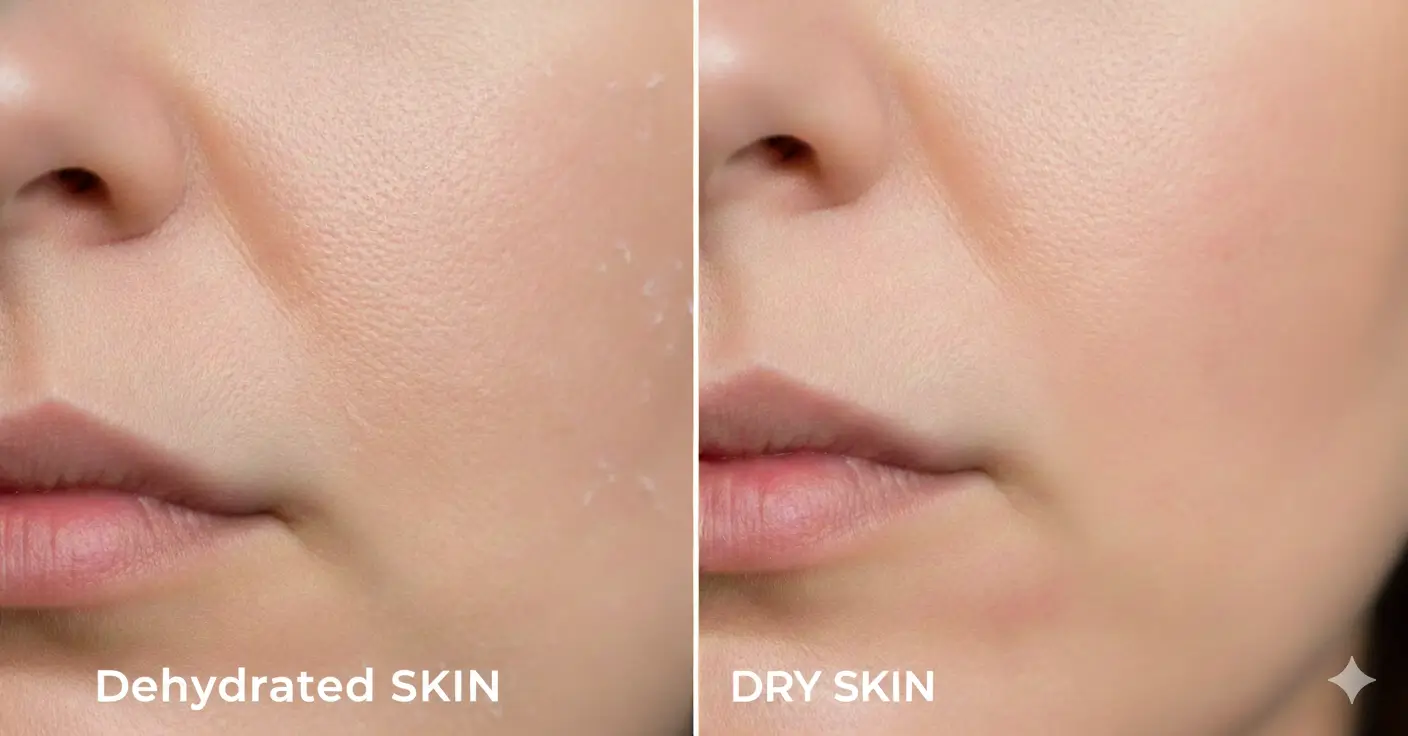
Many people experience both issues simultaneously. You might have naturally dry skin (oil deficiency) that’s also currently dehydrated (water deficiency). This requires a layered approach addressing both concerns.
Hydrating Ingredients: Water Magnets for Your Skin
Hydrating ingredients are humectants—substances that attract and bind water molecules. They pull moisture from the environment and deeper skin layers to the surface, increasing water content in your epidermis.
Hyaluronic Acid (The Hydration Superstar)
This molecule holds up to 1,000 times its weight in water, making it the most effective hydrating ingredient available. Hyaluronic acid exists naturally in your skin but decreases with age.
Look for products with multiple molecular weights:
- Low molecular weight penetrates deeper layers
- High molecular weight sits on surface for immediate plumping effect
- Combination products provide both instant and lasting hydration
Apply hyaluronic acid to damp skin for best results. It needs water to work with—applying to dry skin can actually draw moisture out of deeper layers, potentially causing dehydration.
Glycerin
This cost-effective humectant appears in countless products for good reason. Glycerin draws water into skin and improves barrier function. It’s gentle, non-irritating, and suitable for all skin types including sensitive and acne-prone.
Panthenol (Provitamin B5)
Beyond attracting moisture, panthenol soothes inflammation and supports barrier repair. It penetrates well and provides both immediate hydration and long-term skin health benefits.
Sodium PCA
A natural component of your skin’s moisture-binding system. Sodium PCA is highly effective at attracting and retaining water while being extremely gentle and non-irritating.
Aloe Vera
This natural humectant provides soothing hydration, especially beneficial for irritated or sun-exposed skin. It’s lightweight and works well for oily or combination skin types.
Moisturizing Ingredients: Sealers and Softeners
Moisturizing ingredients come in two categories: emollients that soften and smooth, and occlusives that create a barrier preventing water loss.
Emollients (Skin Softeners):
Ceramides
These lipid molecules are natural components of your skin barrier. Topical ceramides fill gaps between skin cells, preventing water loss while smoothing and softening skin texture. They’re essential for anyone with dry or sensitive skin.
Squalane
Derived from olives or sugarcane, squalane mimics your skin’s natural sebum. It’s lightweight, absorbs quickly, and suits all skin types including oily and acne-prone. Squalane provides moisture without heaviness or greasiness.
Fatty Acids (Omega-3, Omega-6, Omega-9)
Found in plant oils like rosehip, jojoba, and argan, fatty acids nourish skin and support barrier function. Different oils contain varying ratios—choose based on your specific needs and preferences.
Occlusives (Water Loss Preventers):
Petrolatum (Petroleum Jelly)
The most effective occlusive available, preventing up to 99% of transepidermal water loss. While not elegant cosmetically, petroleum jelly is unmatched for sealing in hydration overnight, especially for severely dry skin.
Dimethicone
This silicone creates a breathable barrier that locks in hydration without feeling heavy. It’s commonly found in primers and moisturizers because it also provides a smooth, silky finish.
Shea Butter
A natural occlusive rich in fatty acids and vitamins. Shea butter seals in moisture while providing additional nourishment. It’s heavier than synthetic occlusives, making it ideal for nighttime use or very dry skin.
The Perfect Hydration-Moisture Routine
Morning Routine for Maximum Hydration:
Step 1: Hydrating Cleanser
Start with a gentle, hydrating cleanser that removes impurities without stripping. Cream or gel formulas with glycerin work well. Avoid foaming cleansers with sulfates—they’re too drying.
Step 2: Hydrating Toner or Essence
Apply a watery toner or essence immediately after cleansing while skin is still damp. Look for hyaluronic acid, glycerin, or beta-glucan. Pat gently into skin with clean hands.
For extra hydration, try the “7-skin method”—applying seven thin layers of hydrating toner, waiting briefly between each. This technique maximizes water content without heaviness.
Step 3: Hydrating Serum
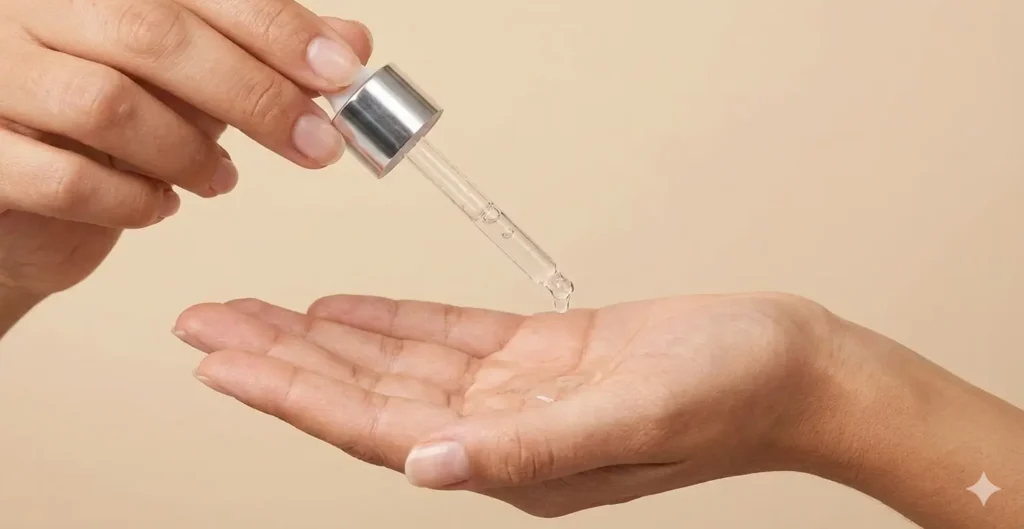
Layer a concentrated hyaluronic acid serum over your toner. This step delivers the highest concentration of water-binding ingredients. Use 2-3 drops for face and neck.
Step 4: Moisturizer
Now seal everything in with a moisturizer containing both emollients and occlusives. Your moisturizer choice depends on skin type:
- Oily skin: Lightweight gel-cream with squalane
- Dry skin: Rich cream with ceramides and shea butter
- Combination: Gel-cream on T-zone, regular cream on cheeks
- Sensitive: Fragrance-free cream with minimal ingredients
Step 5: Sunscreen
Always finish with broad-spectrum SPF 30 or higher. Some sunscreens offer moisturizing benefits, which can reduce layering for oily skin types.
Evening Hydration-Boosting Routine
Step 1: Double Cleanse
Start with an oil-based cleanser to remove sunscreen and makeup, follow with your regular cleanser. This ensures thoroughly clean skin that absorbs products effectively.
Step 2: Treatment Products
If using active ingredients (retinoids, acids, etc.), apply them after cleansing and before hydrating layers. Wait 5-10 minutes for full absorption.
Step 3: Multi-Layer Hydration
Repeat the morning hydration steps: essence/toner, then hydrating serum. Your skin repairs and regenerates overnight, so maximize hydration during this critical period.
Step 4: Richer Night Moisturizer
Use a more nourishing moisturizer at night. You don’t need to worry about makeup or greasiness, so opt for richer formulations with barrier-repair ingredients.
Step 5: Facial Oil or Occlusive (Optional)
For very dry or dehydrated skin, seal everything with a facial oil or thin layer of petroleum jelly. This prevents transepidermal water loss overnight, allowing your skin to retain maximum hydration.
The Skin Flooding Technique: Intense Hydration Boost
Skin flooding has gained popularity as an effective method for deeply hydrating skin. This technique involves layering multiple hydrating products while skin is still damp, literally “flooding” it with moisture.
How to Skin Flood:
- Cleanse as usual and don’t dry your face completely
- While skin is still wet, apply hydrating toner or essence
- Before that dries, layer on hyaluronic acid serum
- Immediately follow with moisturizer while everything is still damp
- Optional: Seal with facial oil for extra moisture retention
The key is keeping skin continuously damp throughout the process. Water helps humectants work more effectively while the quick layering traps maximum hydration.
Use skin flooding 2-3 times weekly or when your skin feels particularly dehydrated. It’s especially beneficial after flights, in dry climates, or during winter months.
Lifestyle Factors Affecting Hydration
Internal Hydration:
Drinking water supports overall health, but topical hydration matters more for skin appearance. While severe dehydration affects skin, drinking extra water beyond adequate hydration doesn’t necessarily improve skin moisture. Focus on both internal hydration (8 glasses daily) and topical products for best results.
Environmental Factors:
Low humidity environments accelerate water loss from skin. Use a humidifier in your bedroom, especially during winter or in dry climates. Aim for 40-50% humidity for optimal skin health.
Diet for Hydration:
Water-rich foods contribute to overall hydration. Include cucumbers, watermelon, citrus fruits, and leafy greens. Omega-3 fatty acids from fish support skin’s lipid barrier, helping retain moisture.
Habits That Dehydrate Skin:
- Long, hot showers strip natural oils
- Over-exfoliating removes protective barrier
- Skipping moisturizer allows water to evaporate
- Excessive alcohol and caffeine consumption
- Not protecting skin from harsh weather
Common Hydration Mistakes
Mistake 1: Using Only Hydrating Products
Humectants need to be sealed in with moisturizing ingredients. Applying hyaluronic acid without following with moisturizer allows the water to evaporate, potentially leaving skin drier than before.
Mistake 2: Applying Hydrators to Completely Dry Skin
Humectants work best when applied to damp skin. They need water molecules to attract and bind. Apply products within 60 seconds of cleansing or misting.
Mistake 3: Over-Exfoliating
Excessive exfoliation compromises your barrier, increasing water loss and causing dehydration. Limit exfoliants to 2-3 times weekly and always follow with intensive hydration.
Mistake 4: Assuming Oily Skin Doesn’t Need Hydration
Oily skin absolutely needs hydration. Dehydrated oily skin often produces more oil trying to compensate for water loss, worsening shine and breakouts. Use lightweight, oil-free hydrating products.
Product Combinations for Different Skin Types
For Oily, Dehydrated Skin:
- Gel cleanser
- Watery hyaluronic acid toner
- Lightweight hydrating serum
- Oil-free gel moisturizer with niacinamide
- Mattifying sunscreen
For Dry, Mature Skin:
- Cream cleanser
- Rich essence with multiple humectants
- Concentrated hyaluronic acid + peptide serum
- Heavy cream with ceramides and shea butter
- Moisturizing sunscreen
- Nighttime facial oil
For Combination Skin:
- Gentle gel cleanser
- Hydrating toner all over
- Lightweight serum
- Gel-cream moisturizer (adjust zones as needed)
- Universal sunscreen
For Sensitive, Dehydrated Skin:
- Ultra-gentle milk cleanser
- Fragrance-free hydrating essence
- Simple hyaluronic acid serum
- Minimal-ingredient moisturizer with ceramides
- Mineral sunscreen
Conclusion: Balance Is Everything
Understanding the difference between hydration and moisture empowers you to choose products that actually address your skin’s needs rather than randomly trying products marketed as “moisturizing.” Your skin requires both water and oil in proportions that match your individual characteristics and environmental conditions.
Remember that skin needs change seasonally, with age, and based on lifestyle factors. What works perfectly in summer might leave you dehydrated in winter. Pay attention to how your skin feels and looks, adjusting your routine accordingly.
The path to truly hydrated, healthy skin isn’t about expensive miracle products—it’s about understanding what your skin needs and providing it consistently. Master the hydration-moisture balance, and you’ll achieve that plump, dewy, healthy complexion naturally.
Frequently Asked Questions
Can you over-hydrate your skin?
While rare, over-hydration can occur if you use too many humectants without sealing them in, especially in very humid environments. This causes skin cells to swell excessively, potentially weakening barrier function. The solution is balancing hydrating products with appropriate moisturizers. For most people in normal conditions, over-hydration isn’t a concern—under-hydration is far more common.
Why does my skin feel dry even though I use moisturizer daily?
Your moisturizer likely contains emollients and occlusives but lacks sufficient humectants. You’re sealing the surface without adding water content first. Add a hydrating serum or essence before your moisturizer, and apply products to damp skin. This layering approach addresses both hydration and moisture needs.
Does drinking more water actually improve skin hydration?
Drinking adequate water (8 glasses daily) supports overall body function, including skin health. However, drinking excessive amounts beyond adequate hydration doesn’t significantly improve skin moisture—topical hydration is more effective for skin appearance. Focus on both internal hydration and external skincare for comprehensive results.
What’s better: hyaluronic acid or glycerin?
Both are excellent humectants with different strengths. Hyaluronic acid holds more water (1,000x its weight) and provides impressive plumping, but it’s more expensive. Glycerin is cost-effective, gentle, and also strengthens barrier function. Many effective products contain both. Your choice depends on budget and personal preference—both deliver real hydration benefits.
How quickly will I see results from better hydration?
Immediate improvements in skin feel and bounce appear within 24-48 hours of proper hydration. Visible improvements in texture, plumpness, and radiance become noticeable within 1-2 weeks of consistent routine. Fine dehydration lines diminish relatively quickly, while deeper concerns take longer. Consistency is key—hydration requires ongoing maintenance, not one-time fixes.