
Your morning skincare routine sets the tone for how your skin looks and feels throughout the day. While nighttime routines focus on repair and renewal, your AM routine protects your skin from environmental stressors like UV rays, pollution, and free radicals. Whether you’re a complete beginner or looking to refine your existing routine, this guide walks you through the exact order and purpose of each step.
The right morning skin care routine doesn’t need to be complicated or time-consuming. In fact, consistency matters more than having 15 products on your bathroom shelf. Let’s break down the seven essential steps that dermatologists recommend for healthy, glowing skin.
Understanding Your Morning Skincare Goals
Before we dive into the steps, it’s important to understand what your morning routine should accomplish. Unlike your evening routine that removes makeup and daily grime, your AM skincare routine has three main objectives:
- Cleanse away overnight oils and product residue without stripping your skin
- Hydrate and nourish to maintain your skin barrier throughout the day
- Protect against environmental damage including UV exposure and pollution
Think of your morning routine as creating a protective shield for your skin. Each layer builds upon the previous one, working from thinnest to thickest consistency. This layering technique ensures maximum absorption and effectiveness.
Step 1: Gentle Cleanser

Start your morning with a gentle cleanser that removes overnight sebum production without disrupting your skin’s natural pH balance. Your skin naturally repairs itself while you sleep, producing oils and shedding dead skin cells. A proper morning cleanse removes this buildup while preserving the beneficial work your nighttime products accomplished.
For your morning cleanse, choose a formula based on your skin type:
- Oily/Acne-Prone: Gel or foaming cleanser with salicylic acid
- Dry/Sensitive: Cream or milk cleanser with ceramides
- Combination: Gentle gel cleanser without harsh sulfates
- Normal: Any gentle, pH-balanced cleanser
Massage the cleanser onto damp skin for 30-60 seconds using gentle circular motions. Rinse thoroughly with lukewarm water—never hot, as it strips natural oils. Pat your face dry with a clean towel instead of rubbing, which can cause irritation.
Pro Tip: If your skin feels tight after cleansing, your cleanser is too harsh. Switch to a gentler formula.
Step 2: Toner or Essence
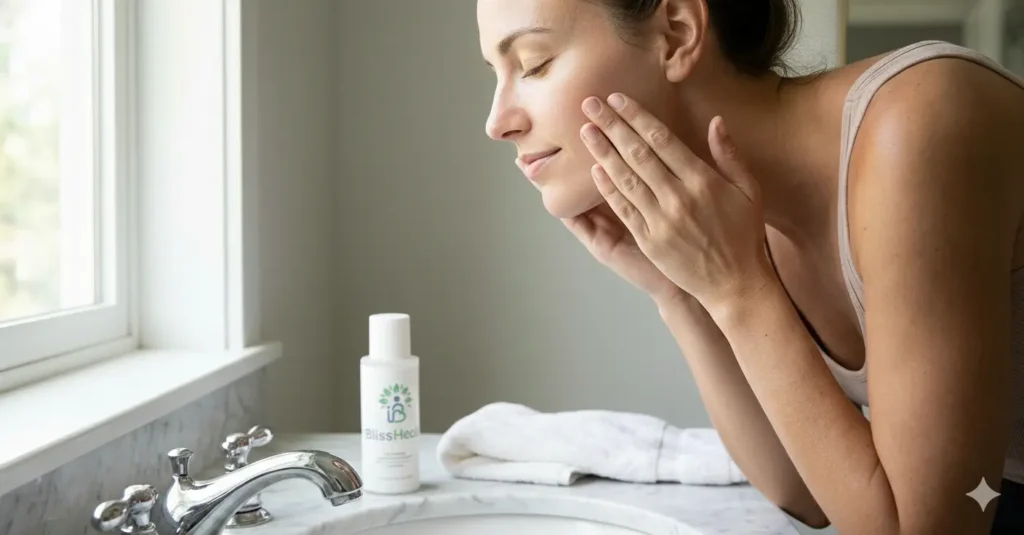
Toners have evolved far beyond the harsh, alcohol-based formulas of the past. Modern toners and essences prep your skin for better absorption of subsequent products while providing an initial layer of hydration. They balance your skin’s pH after cleansing and deliver lightweight active ingredients.
Choose your toner based on your primary skin concern:
- Hydration: Hyaluronic acid or glycerin-based toners
- Brightening: Vitamin C or niacinamide toners
- Soothing: Centella asiatica or rose water toners
- Pore-Refining: Witch hazel or tea tree toners (use sparingly)
Apply toner immediately after cleansing while your skin is still slightly damp. You can either pat it in with clean hands or use a cotton pad. For maximum hydration, apply two thin layers rather than one heavy application.
Step 3: Targeted Treatment Serums
Serums are concentrated formulations designed to address specific skin concerns. Your morning serum should focus on protection and brightening rather than intensive treatments like retinol, which are better suited for nighttime use.
Best Morning Serum Ingredients:
- Vitamin C: Brightens skin tone, protects against free radical damage, and boosts collagen production
- Niacinamide: Reduces inflammation, minimizes pores, and controls oil production
- Peptides: Support skin firmness and reduce fine lines
- Hyaluronic Acid: Provides deep hydration by holding up to 1000x its weight in water
Apply 2-3 drops of serum to your entire face and neck. Wait 30-60 seconds for absorption before moving to the next step. If you’re using multiple serums, apply them from thinnest to thickest consistency. However, for most people, one well-chosen serum is sufficient.
Important Note: Always patch-test new serums before applying to your entire face. Some active ingredients may cause sensitivity, especially when first introduced to your routine.
Step 4: Eye Cream
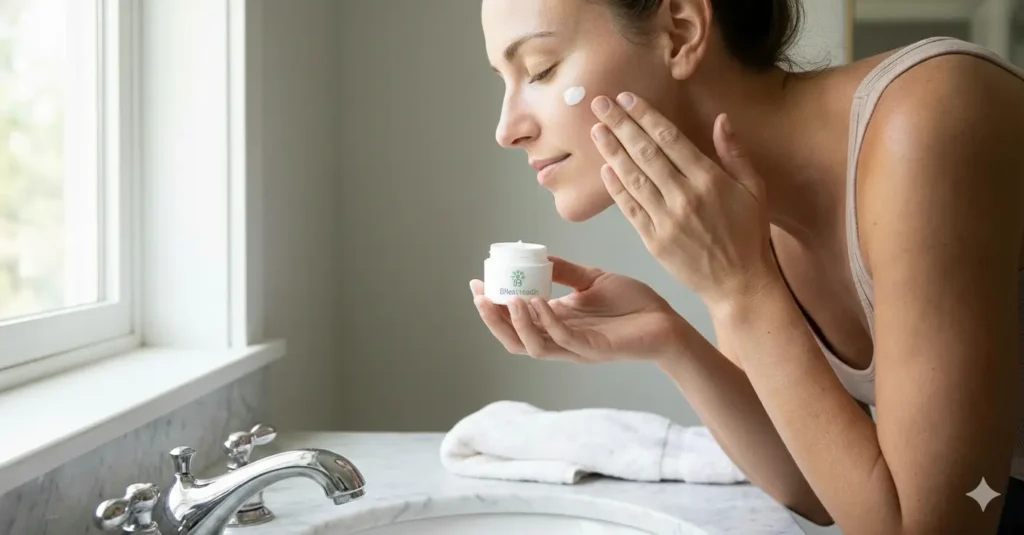
The delicate skin around your eyes needs specialized care. This area is thinner, has fewer oil glands, and shows signs of aging earlier than the rest of your face. Morning eye creams focus on depuffing, brightening dark circles, and providing a smooth base for makeup if you wear it.
Look for eye creams with these morning-friendly ingredients:
- Caffeine for reducing puffiness
- Vitamin K for dark circles
- Peptides for firmness
- Light-reflecting particles for instant brightening
Use your ring finger (it naturally applies the least pressure) to gently pat a rice-grain-sized amount around the orbital bone. Never pull or tug the delicate eye area, and avoid getting product directly into your eyes.
Step 5: Moisturizer
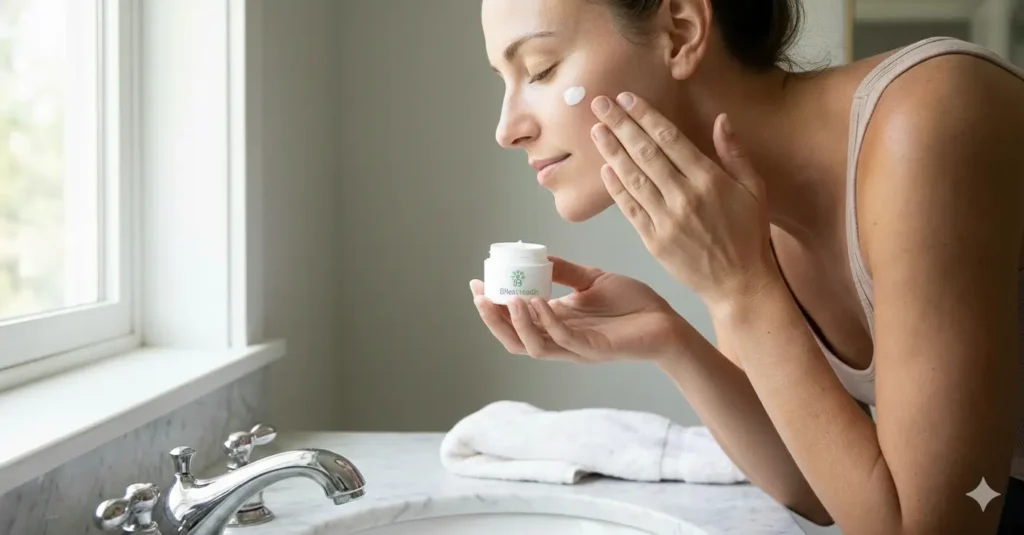
Moisturizer seals in all the beneficial ingredients you’ve applied while adding an additional layer of hydration and protection. Even if you have oily skin, you need a moisturizer—skipping this step can actually trigger more oil production as your skin tries to compensate for dehydration.
Choose your morning moisturizer texture based on your skin type:
- Oily: Lightweight gel or gel-cream formula
- Dry: Rich cream with ceramides and fatty acids
- Combination: Lightweight lotion or gel-cream
- Sensitive: Fragrance-free cream with soothing ingredients
Apply moisturizer while your serum is still slightly damp for better absorption. Use upward and outward strokes to avoid pulling skin downward. Don’t forget your neck and décolletage—these areas show aging just as much as your face.
Seasonal Adjustment: You may need a richer moisturizer in winter and a lighter formula in summer. Listen to your skin and adjust accordingly.
Step 6: Sunscreen (Non-Negotiable)
Sunscreen is the single most important anti-aging product you can use. UV exposure causes up to 80% of visible aging signs, including fine lines, wrinkles, dark spots, and loss of elasticity. Your morning routine is incomplete without SPF protection, regardless of the weather or whether you’re staying indoors.
Sunscreen Essentials:
- Minimum SPF 30 for daily use (SPF 50 for extended outdoor exposure)
- Broad-spectrum protection against UVA and UVB rays
- At least ¼ teaspoon (about a nickel-sized amount) for face alone
- Reapply every 2 hours if outdoors, or after sweating/swimming
Choose between mineral (zinc oxide, titanium dioxide) or chemical sunscreens based on your preference:
- Mineral: Sits on skin surface, ideal for sensitive skin, may leave white cast
- Chemical: Absorbs into skin, cosmetically elegant, may irritate sensitive skin
Apply sunscreen as the final step in your routine. Wait 15 minutes before applying makeup to allow proper absorption and bonding to your skin.
Step 7: Lip Care (Optional But Recommended)
Your lips need protection too! The skin on your lips is thinner and more vulnerable to sun damage, dryness, and chapping. A nourishing lip balm with SPF completes your morning routine.
Look for lip products containing:
- SPF 30 or higher
- Hydrating ingredients like shea butter or coconut oil
- Antioxidants like vitamin E
- Avoid lip balms with menthol or camphor, which can be drying
Apply lip balm after your sunscreen and reapply throughout the day as needed.
Timing and Common Mistakes to Avoid
How Long Should Your Morning Routine Take?
A complete morning skin care routine should take 5-10 minutes. If it’s taking longer, you’re either using too many products or not allowing enough absorption time between steps. Consistency matters more than perfection—a simple routine you’ll actually follow beats an elaborate one you’ll skip.
Common Morning Skincare Mistakes:
- Skipping cleansing because you washed your face at night
- Using nighttime actives like retinol in the morning (increases sun sensitivity)
- Not waiting between steps for proper absorption
- Over-cleansing with harsh products that strip natural oils
- Forgetting sunscreen on cloudy days or when staying indoors
- Using too much product (more isn’t always better)
- Rushing the routine and not allowing products to absorb
Customizing Your Routine by Skin Type
While the seven-step framework works for everyone, you’ll want to customize product choices based on your specific skin type:
For Oily/Acne-Prone Skin:
Focus on gel-based, oil-free formulas. Your morning serum might contain niacinamide to control oil production. Choose a mattifying moisturizer and a non-comedogenic sunscreen.
For Dry/Dehydrated Skin:
Layer hydrating products generously. Use a cream cleanser, multiple hydrating toner layers, hyaluronic acid serum, and a rich moisturizer. Your sunscreen can double as extra moisture.
For Sensitive/Reactive Skin:
Keep it minimal. Use fragrance-free, hypoallergenic products with soothing ingredients. Avoid chemical exfoliants in the morning and opt for mineral sunscreen.
For Combination Skin:
You might need to use different products on different zones. Consider a lightweight gel moisturizer with spot-treatment for dry areas if needed.
Product Recommendations Budget Guide
You don’t need expensive products for an effective morning routine. Here’s a realistic budget breakdown:
- Budget-Friendly (Under $100 total): Drugstore brands like CeraVe, Neutrogena, and La Roche-Posay offer excellent dermatologist-recommended formulas
- Mid-Range ($100-$250 total): Mix drugstore staples with targeted treatments from brands like The Ordinary or Paula’s Choice
- Investment ($250+ total): Medical-grade products or luxury brands with advanced formulations
Remember: expensive doesn’t always mean better. Focus on ingredients and formulation, not marketing hype.
When to See Results
Skincare requires patience. Here’s a realistic timeline:
- Hydration improvements: 1-2 weeks
- Texture refinement: 4-6 weeks
- Brightening and tone evening: 8-12 weeks
- Anti-aging benefits: 3-6 months
Stick with your routine for at least 8 weeks before deciding whether products work for you. Your skin cell turnover cycle takes about 28 days, so visible improvements take time.
Conclusion: Your Path to Glowing Skin Starts Here
Building an effective morning skin care routine doesn’t require countless products or hours in front of the mirror. These seven steps—cleanse, tone, treat, protect eyes, moisturize, apply sunscreen, and care for lips—create a solid foundation for healthy, glowing skin.
Remember that consistency trumps complexity every time. Start with these basics, give your skin time to adjust, and make gradual improvements as you learn what works best for your unique skin. Your future self will thank you for the sun protection and daily care you’re investing in today.
Ready to take your skincare to the next level? Download our free printable morning routine checklist to keep track of your steps until they become second nature.
Frequently Asked Questions
Can I skip moisturizer if my sunscreen is moisturizing?
While some sunscreens offer moisturizing benefits, it’s generally better to apply a separate moisturizer first. Sunscreen works best when applied as a final layer, and mixing it with other products can dilute its protective effectiveness. If you have very oily skin, you might use a lightweight essence instead of a heavy moisturizer, but don’t skip hydration entirely.
Should I use different products in summer vs. winter?
Yes, seasonal adjustments are smart. In winter, your skin typically needs richer moisturizers and extra hydration layers to combat indoor heating and cold weather. Summer calls for lightweight, gel-based products and possibly higher SPF if you’re outdoors more. However, cleansing, treating, and protecting remain constant—only textures and richness change.
How long should I wait between applying each product?
Wait 30-60 seconds between most steps to allow proper absorption. The exception is sunscreen—give it at least 15 minutes to fully bond with your skin before applying makeup or going outside. If you’re short on time, you can speed things up slightly, but rushing reduces product effectiveness.
Is it okay to use the same routine every single day?
Absolutely. Consistency is crucial for seeing results. Your morning routine should remain fairly stable, unlike your nighttime routine which might rotate active ingredients. The only changes you might make are seasonal texture adjustments or temporarily simplifying if your skin becomes irritated or sensitive.
Do I need to use all seven steps if I have clear skin with no issues?
At minimum, everyone needs cleanser, moisturizer, and sunscreen—these three are non-negotiable for long-term skin health. Toner, serum, and eye cream can be added based on your concerns and goals. If your skin is genuinely problem-free, a simplified routine might work, but prevention (especially sun protection) is always easier than correction later.